This is default featured slide 1 title

Go to Blogger edit html and find these sentences.Now replace these sentences with your own descriptions.This theme is Bloggerized by Lasantha Bandara - Premiumbloggertemplates.com.

This is default featured slide 2 title

Go to Blogger edit html and find these sentences.Now replace these sentences with your own descriptions.This theme is Bloggerized by Lasantha Bandara - Premiumbloggertemplates.com.

This is default featured slide 3 title

Go to Blogger edit html and find these sentences.Now replace these sentences with your own descriptions.This theme is Bloggerized by Lasantha Bandara - Premiumbloggertemplates.com.

This is default featured slide 4 title

Go to Blogger edit html and find these sentences.Now replace these sentences with your own descriptions.This theme is Bloggerized by Lasantha Bandara - Premiumbloggertemplates.com.

This is default featured slide 5 title

Go to Blogger edit html and find these sentences.Now replace these sentences with your own descriptions.This theme is Bloggerized by Lasantha Bandara - Premiumbloggertemplates.com.

Common Misconceptions About Hemorrhoids πŸ™…: What’s the Truth?

Common Misconceptions About Hemorrhoids πŸ™…: What’s the Truth?

 Common Misconceptions About Hemorrhoids πŸ™…: What’s the Truth?

Hemorrhoids can be a confusing and uncomfortable topic, but it's surrounded by myths that often mislead people. Let’s debunk some of the most common misconceptions and separate fact from fiction! πŸ•΅️‍♂️


Misconception 1: Hemorrhoids Only Affect the Elderly πŸ‘΄


Truth: While it’s true that hemorrhoids become more common with age, they can affect people of all ages, including young adults and even teenagers. Factors like a sedentary lifestyle, poor diet, or chronic constipation can trigger them at any stage of life.

πŸ‘‰ Related Product:

The Reusable Perineal Cooling Pad can provide relief for people of all ages dealing with hemorrhoid pain.


Reusable Cooling Pad


Misconception 2: Spicy Food Causes Hemorrhoids 🌢️


Truth: Spicy foods might irritate the digestive system and worsen symptoms, but they don’t directly cause hemorrhoids. The real culprits are low-fiber diets and straining during bowel movements.

Pro Tip: Include high-fiber foods like fruits, vegetables, and whole grains to keep your digestive system happy. πŸ₯—


Misconception 3: All Hemorrhoids Need Surgery πŸ”ͺ

Truth: Most hemorrhoids can be managed with home remedies, lifestyle changes, or over-the-counter products. Surgery is only necessary for severe or persistent cases.

πŸ‘‰ Recommended Product:
The Donut Pillow Hemorrhoid Cushion provides comfort and relief without invasive procedures.



Donut Pillow


Misconception 4: Hemorrhoids Are Contagious 🀝


Truth: Hemorrhoids are not contagious. They result from increased pressure on the veins in the rectum and anus, not from an infection or contact with another person.


Misconception 5: Sitting on Cold Surfaces Causes Hemorrhoids πŸͺ‘❄️


Truth: This is a myth! Sitting on cold surfaces might be uncomfortable, but it doesn’t lead to hemorrhoids. Prolonged sitting in general, however, can increase the risk.

Pro Tip: Use an ergonomic cushion, like the Anti-Hemorrhoids Massage Seat Cushion, to prevent pressure buildup.
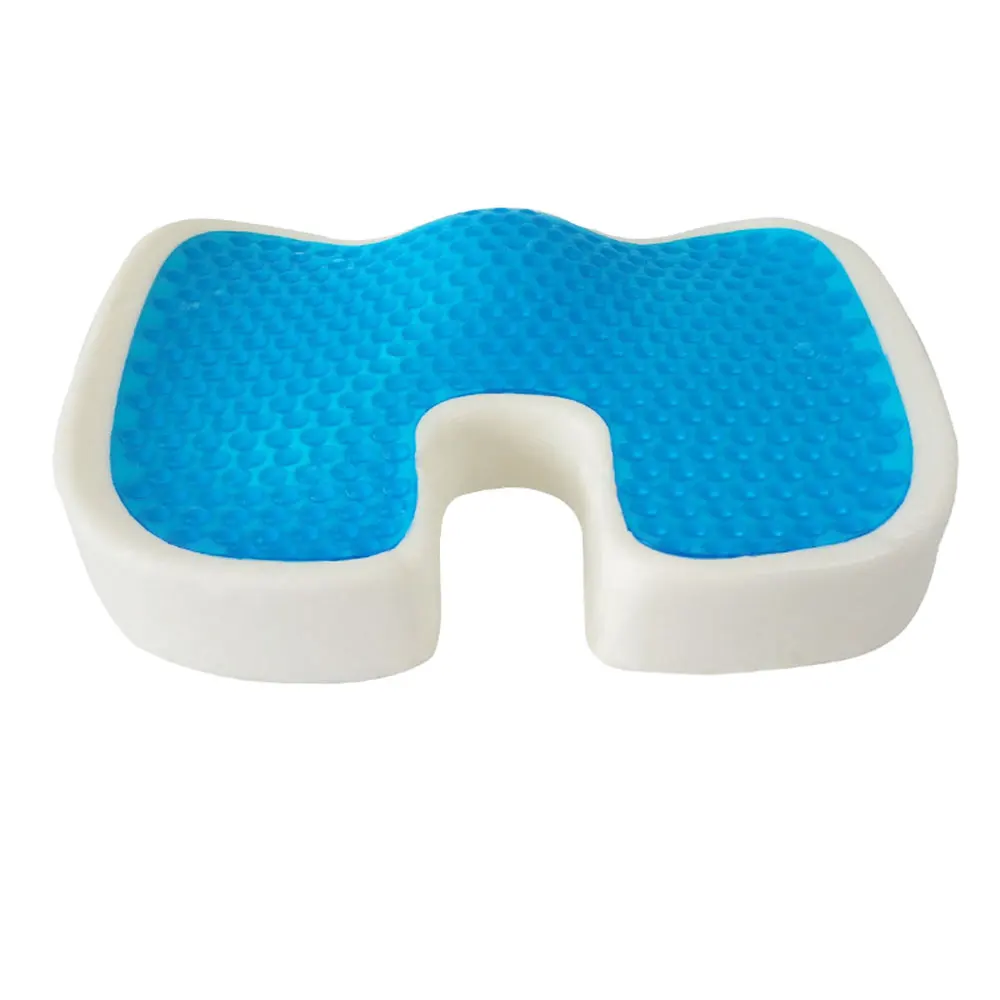


Massage Seat Cushion


Key Takeaway 🌟


Understanding hemorrhoids and debunking these myths can help you make informed decisions about prevention and treatment. Remember, most cases can be managed with proper care and the right products.


πŸ’‘ Don’t Wait for Relief: Check out the best solutions for hemorrhoid comfort now and say goodbye to discomfort!


Hemorrhoid Cream


Let me know if you'd like any tweaks to this article or if you're ready to move on to the next one! 😊

Using Cushions and Support to Relieve Hemorrhoid Pain πŸͺ‘

Using Cushions and Support to Relieve Hemorrhoid Pain

Using Cushions and Support to Relieve Hemorrhoid Pain πŸͺ‘


Dealing with hemorrhoid pain can make sitting for long periods uncomfortable. Fortunately, specialized cushions and support products offer a practical way to alleviate this discomfort and promote healing. In this article, we’ll explore how cushions can provide relief and recommend some of the best options for your needs. πŸ›‹️


Why Cushions Help with Hemorrhoid Relief


Hemorrhoid cushions, often called donut pillows, are designed to reduce pressure on the affected area while sitting. By redistributing body weight and minimizing direct contact with the hemorrhoid site, these cushions can:

  • Relieve pain and discomfort during long sitting periods.
  • Promote better posture, which reduces strain on the pelvic area.
  • Help prevent further irritation and speed up recovery.


Types of Cushions for Hemorrhoids


Here are some popular types of cushions to consider:

  1. Donut Pillows


    • Donut Pillow


    • "Provides relief for hemorrhoids, sciatica, and pelvic pain. Perfect for office or home use!"
  1. Memory Foam Cushions

    • These adapt to your body shape and provide consistent support.
    • Recommended Product:
      Ergonomic Memory Foam Office Cushion


    • Memory Foam Cushion
      "Ideal for long sitting periods, reducing fatigue and promoting comfort."
  2. Cooling Cushions

    • Designed with cooling technology to reduce inflammation and provide soothing relief.
    • Recommended Product:
      Reusable Perineal Cooling Pad
      Cooling Pad
      "Great for postpartum and hemorrhoid pain relief."

  1. Tips for Using Hemorrhoid Cushions


  1. Find the Right Size: Ensure the cushion fits your chair and supports your body effectively.
  2. Use Proper Posture: Sit upright with your feet flat on the ground to maximize comfort.
  3. Take Breaks: Stand and stretch every 30–60 minutes to improve circulation.
  4. Keep It Clean: Regularly clean the cushion to maintain hygiene.


Conclusion

Using the right cushion can significantly improve your comfort and help manage hemorrhoid symptoms. Whether you prefer a donut pillow, memory foam, or cooling cushion, there’s an option to fit your needs. Explore the recommended products for effective relief and make sitting pain-free again!

πŸ’‘ Pro Tip: Pair these cushions with other remedies, like a high-fiber diet and hydration, for faster recovery.

πŸ“’ Shop Now:

πŸ›’ Start your journey to comfort today!

Home Remedies for Hemorrhoid Relief 🌿: What Really Works?


Home Remedies for Hemorrhoid Relief 🌿: What Really Works?


Hemorrhoids can be painful and uncomfortable, but the good news is that many home remedies can help provide relief! 🌟 From natural solutions to lifestyle changes, let’s explore what works best to ease your discomfort and improve your quality of life.


1. Keep It Clean and Cool 🧊


Maintaining hygiene is crucial for soothing hemorrhoids. Use unscented wipes or warm water to clean the area gently after bowel movements. For cooling relief, try a Reusable Perineal Cooling Pad like this one:
πŸ‘‰ Reusable Perineal Cooling Pad


Cooling Pad


These pads are fantastic for reducing swelling and irritation while promoting healing. ❄️


2. Apply Cold Compresses ❄️


Using an ice pack on the affected area can reduce swelling and numb pain. Wrap the ice in a soft cloth and apply it for 10-15 minutes. Repeat this several times a day for effective relief.

For even better results, consider specialized cold therapy products like this:
πŸ‘‰ Memory Sponge Pelvic Correction Pad


Memory Pad


3. Soothing Warm Baths πŸ›


A warm sitz bath (soaking the area in warm water) is one of the simplest ways to relieve hemorrhoid discomfort. Add Epsom salt for extra relief, as it helps reduce inflammation and soothes the area.


4. Don’t Forget Fiber! πŸ₯¦


Diet plays a significant role in managing hemorrhoids. Include high-fiber foods like fruits, vegetables, and whole grains in your meals to prevent constipation. Staying regular can help reduce strain during bowel movements. πŸ’ͺ

πŸ’‘ Pro Tip: Pair your fiber intake with plenty of water to avoid bloating.


5. Use a Donut Cushion for Sitting Comfortably πŸͺ‘


Sitting for long periods can worsen hemorrhoid pain. A donut cushion provides support and relieves pressure on the area. Check out this highly recommended option:
πŸ‘‰ Donut Pillow for Pain Relief


Donut Cushion


6. Herbal Ointments and Creams 🌿


Natural remedies like witch hazel, aloe vera, and coconut oil can help reduce itching and inflammation. Apply these directly to the affected area for quick relief.

You can also try a specialized cream like this one:
πŸ‘‰ Natural Hemorrhoid Relief Cream


Relief Cream


7. Stay Active and Avoid Strain 🚢


Engage in light exercises, like walking, to keep your blood flowing and reduce pressure on the veins. Avoid heavy lifting or straining, as this can worsen hemorrhoids.


Final Thoughts πŸ’‘


Hemorrhoid relief is achievable with simple home remedies and the right tools. Incorporating these tips into your daily routine can significantly improve your comfort and well-being.

⭐ Looking for products that can help? Check out this Anti-Hemorrhoids Massage Seat Cushion for additional support during long sitting sessions.

Let us know which remedy works best for you! 🌸 Stay healthy and take care of yourself!

How Diet Can Help with Hemorrhoid Prevention and Relief 🍎πŸ₯¦


How Diet Can Help with Hemorrhoid Prevention and Relief 🍎πŸ₯¦


Hemorrhoids can be painful and uncomfortable, but did you know that your diet plays a critical role in both preventing and relieving them? Let’s explore how the right foods can make all the difference in managing this common condition.


Why Diet Matters for Hemorrhoids πŸ₯—


Hemorrhoids often develop due to excessive straining during bowel movements, which is frequently caused by constipation. A balanced diet high in fiber can prevent constipation and promote healthy digestion, reducing your risk of developing or worsening hemorrhoids. πŸ’‘


Foods to Include in Your Diet for Hemorrhoid Relief πŸŒΎπŸ“

Here’s a list of food groups that can help keep your digestive system on track:

  1. High-Fiber Foods 🌱:

    • Oats, barley, whole-grain bread, and cereals.
    • Fruits like apples 🍎, pears 🍐, and berries 🫐.
    • Vegetables such as broccoli πŸ₯¦, carrots πŸ₯•, and spinach.

    Why? Fiber adds bulk to stools, making them easier to pass without straining.

  2. Hydrating Foods πŸ’§:

    • Watermelon πŸ‰, cucumbers πŸ₯’, and celery are great for keeping your body hydrated.

    Tip: Pair these with at least 8 glasses of water daily for optimal hydration.

  3. Healthy Fats πŸ₯‘:

    • Avocado, olive oil, and nuts πŸ₯œ.

    Why? These lubricate your digestive tract, ensuring smoother bowel movements.


Foods to Avoid 🚫

Certain foods can aggravate hemorrhoids and cause discomfort:

  • Processed and Fried Foods 🍟: Hard to digest and low in fiber.
  • Spicy Foods 🌢️: Can irritate the digestive system.
  • Caffeinated and Alcoholic Beverages ☕🍷: May lead to dehydration and constipation.


Product Spotlight: Donut Cushions for Hemorrhoid Pain Relief πŸͺ‘

While improving your diet is crucial, you may also need extra support for immediate relief. The Donut Pillow Hemorrhoid Tailbone Seat Cushion is a fantastic solution for reducing pressure on affected areas while sitting.


Donut Cushion


This ergonomic cushion is designed to provide comfort and promote healing.


Quick Tips for a Hemorrhoid-Friendly Diet πŸ“


  1. Gradually increase fiber intake to avoid bloating.
  2. Avoid skipping meals to maintain regular bowel movements.
  3. Incorporate probiotics like yogurt πŸ₯› to improve gut health.


By making these dietary changes and incorporating the right tools, such as the Donut Pillow, you’ll be well on your way to managing and preventing hemorrhoids effectively. Stay consistent, and your body will thank you! 😊

How Does the Keto Diet Work? Understanding the Science Behind Ketosis


Article 17: How Does the Keto Diet Work? Understanding the Science Behind Ketosis πŸ”

Introduction The keto diet has gained popularity for its effectiveness in promoting weight loss and boosting energy levels. But how does it really work? In this article, we’ll dive into the science behind ketosis, explain how your body shifts its energy sources on a keto diet, and provide tips for getting started with this low-carb lifestyle.

Get Started Easily: Curious about how to make keto work for you? Check out this personalized keto meal plan to get started today!


What is Ketosis? 🧬

Ketosis is a natural metabolic state where your body shifts from using glucose (carbohydrates) for energy to using fats. Normally, our bodies rely on carbohydrates as the main source of fuel. However, when carbs are restricted, the body begins to break down stored fat into molecules called ketones, which are then used for energy.

How the Keto Diet Puts You in Ketosis 🍳

The ketogenic (keto) diet involves a high-fat, moderate-protein, and low-carb approach. By drastically reducing carbohydrate intake, your body is forced to enter ketosis. This shift can take anywhere from 2 to 7 days, depending on factors like carb intake, activity level, and individual metabolism.

Stages of Entering Ketosis:

  1. Carb Depletion: Reduced carbohydrate intake lowers blood glucose, signaling your body to look for alternative energy sources.
  2. Fat Breakdown: Your liver begins to break down fat into fatty acids and glycerol.
  3. Ketone Production: Fatty acids are converted into ketones, which are released into the bloodstream for energy.
  4. Ketosis Achieved: Once ketone levels rise, your body is officially in ketosis and primarily uses ketones for energy.

Health Benefits of Ketosis 🌟

  1. Weight Loss: Ketosis promotes fat loss by using stored fat as fuel.
  2. Improved Mental Clarity: Many people experience enhanced focus and clarity in ketosis.
  3. Stable Blood Sugar: Ketosis stabilizes blood sugar, making it a beneficial approach for people with insulin sensitivity.
  4. Increased Energy: Ketones are an efficient fuel source, leading to sustained energy levels throughout the day.

How to Start the Keto Diet Successfully 🏁

  1. Reduce Carbohydrates: Aim to keep your carb intake below 50 grams per day to reach ketosis.
  2. Increase Healthy Fats: Include fats like avocados, olive oil, nuts, and fatty fish to support energy needs.
  3. Moderate Protein: Keep protein intake moderate to avoid converting excess protein into glucose.
  4. Stay Hydrated: Drink plenty of water to avoid dehydration, a common side effect in the early stages of keto.
  5. Try Electrolytes: Consider supplements to maintain essential electrolyte balance and avoid keto flu symptoms.

Quick Start Tip: If you’re unsure about meal planning, this keto meal plan can simplify the process with tailored recipes.


Common Challenges and Solutions πŸ”„

  1. Keto Flu: Symptoms like fatigue, headache, and nausea can occur as your body adapts. Drinking water, adding electrolytes, and getting adequate rest can help.
  2. Cravings: Reducing carbs can be tough at first. Snack on low-carb options like nuts and cheese or try keto-friendly desserts to curb sugar cravings.
  3. Social Situations: Sticking to keto when dining out or attending events can be challenging. Look for high-fat, low-carb options like salads with olive oil or grilled proteins.

Sample Keto Meal Plan 🍽

Here’s a quick look at a sample keto day to give you an idea of what to eat:

  • Breakfast: Scrambled eggs cooked in butter with avocado slices
  • Lunch: Grilled chicken salad with olive oil and mixed greens
  • Snack: A handful of almonds or macadamia nuts
  • Dinner: Baked salmon with asparagus cooked in coconut oil

Want More Ideas? Get easy, delicious recipes tailored to your preferences with this keto meal plan guide.


Conclusion

The keto diet can be an effective way to lose weight, increase energy, and improve mental clarity by shifting your body into ketosis. While it may take some time to adapt, the health benefits can be worth the effort. If you’re ready to give keto a try, start by gradually reducing carbs and increasing healthy fats to kick-start the process.


Top Causes of Hemorrhoids πŸ’‘ and How to Prevent Them


Top Causes of Hemorrhoids πŸ’‘ and How to Prevent Them

Hemorrhoids are a common condition that affects millions of people, but understanding the causes and knowing how to prevent them can help manage symptoms and even avoid them altogether. Let’s dive into the main causes of hemorrhoids and practical steps you can take to prevent them.


What Are Hemorrhoids?


Hemorrhoids are swollen veins in the lower rectum or anus, similar to varicose veins. They can be internal or external, and though they're often uncomfortable, they’re typically not dangerous.


1. Lack of Fiber in Your Diet πŸ₯¬


A low-fiber diet is one of the leading causes of hemorrhoids. Fiber helps to keep stool soft, making it easier to pass and reducing strain during bowel movements. Straining can lead to the formation of hemorrhoids, so getting enough fiber is key!


How to Increase Fiber Intake:


  • Eat more fruits and vegetables like apples, oranges, carrots, and spinach 🍏πŸ₯•.
  • Choose whole grains over refined grains, such as whole-grain bread and brown rice 🍚.
  • Consider a fiber supplement if necessary, but consult with a healthcare provider first.

πŸ›’ Try this product to help with relief:
Reusable Perineal Cooling Pad For Postpartum And Hemorrhoid Pain Relief Ice Pack Cold Therapy Bead - Perfect for soothing discomfort.


Reusable Cooling Pad


2. Prolonged Sitting 🚢‍♀️


Sitting for long periods, especially on hard surfaces, puts pressure on the rectal area, contributing to the development of hemorrhoids. This is especially common in sedentary jobs or prolonged driving.


Prevention Tips:


  • Take breaks every hour to stand up and walk around, even for just a few minutes.
  • Use a cushion or ergonomic seat, especially if you work in an office setting.

πŸ›’ Recommended product for comfort:
Donut Pillow Hemorrhoid Tailbone Seat Cushion - Provides relief and reduces pressure.


Donut Pillow


3. Chronic Constipation or Diarrhea πŸ’©


Both constipation and diarrhea can irritate the anal area. Straining due to constipation puts extra pressure on the veins, while frequent bowel movements from diarrhea can lead to irritation and swelling.

Prevention Tips:

  • Stay hydrated by drinking plenty of water daily.
  • Balance your fiber intake to avoid digestive issues.
  • Use natural laxatives like prunes sparingly if needed.


4. Heavy Lifting and Physical Strain πŸ’ͺ


Lifting heavy objects or engaging in high-strain physical activities can lead to an increase in abdominal pressure, which may contribute to hemorrhoid development.

Prevention Tips:

  • Use proper lifting techniques by bending at the knees.
  • Avoid overexertion and seek help with very heavy objects.

πŸ›’ Helpful product:

Anti Hemorrhoids Massage Seat Cushion Hip Push Up Yoga Orthopedic Comfort Foam Tailbone Pillow - Perfect for everyday support and comfort.


Massage Seat Cushion


5. Pregnancy 🀰


During pregnancy, the growing uterus puts pressure on veins in the lower body, which can contribute to hemorrhoid formation, especially in the third trimester.

Prevention Tips:


  • Eat fiber-rich foods to promote smooth digestion.
  • Stay active with gentle exercises like walking.
  • Use comfortable support pillows to relieve pressure when sitting.

πŸ›’ Try this helpful cushion:
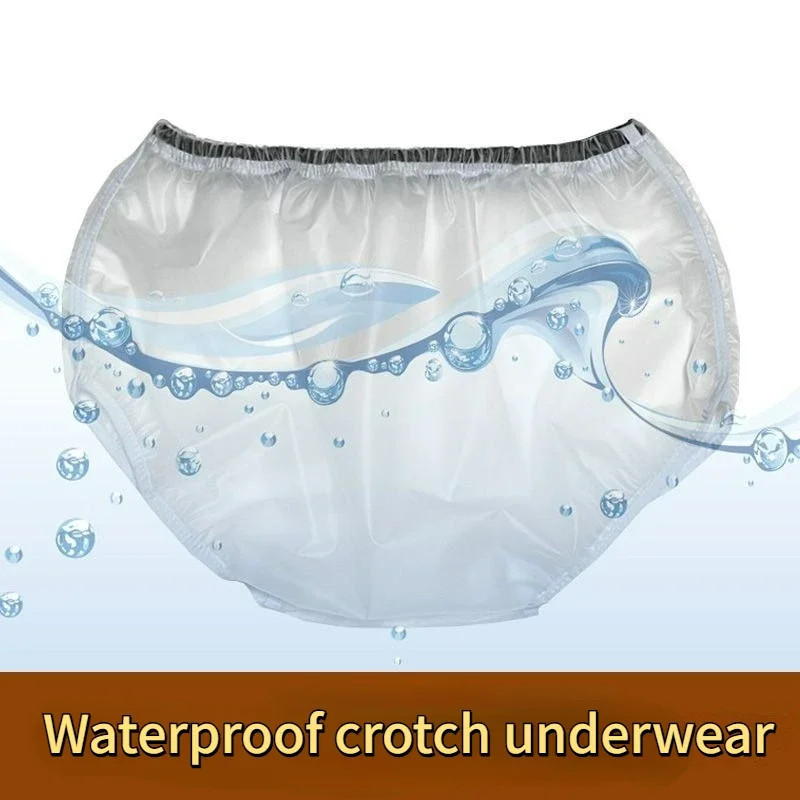
Waterproof Underwear for Postoperative Relief - Perfect for hemorrhoid comfort and easy wear.


Waterproof Underwear


6. Aging πŸ§“


As we age, the tissues supporting veins in the rectum and anus weaken, making hemorrhoids more common. While aging itself can’t be prevented, lifestyle changes can help minimize the risk.

Prevention Tips:

  • Maintain a healthy diet rich in fiber.
  • Engage in regular physical activity to keep digestion on track.
  • Stay hydrated to reduce strain during bowel movements.


Takeaway: Small Changes, Big Relief 🌟


The right lifestyle adjustments can significantly reduce the risk of developing hemorrhoids. Including fiber-rich foods, staying active, and using comfortable cushions are easy ways to make a difference.

Final Tip: If you’re struggling with symptoms, consider trying out some of the recommended products to ease discomfort and support your well-being.

How to Know If You Have Hemorrhoids πŸ€” — Symptoms and Signs


How to Know If You Have Hemorrhoids

 How to Know If You Have Hemorrhoids πŸ€” — Symptoms and Signs


Hemorrhoids are a common condition that affects many people, but they can sometimes be tricky to identify. Knowing the symptoms and signs can help you recognize them early and seek appropriate relief. Let’s dive into the main signs of hemorrhoids, so you know when it might be time to take action.


πŸ” What Are Hemorrhoids?


Hemorrhoids, also known as piles, are swollen veins in the lower rectum and anus. They can cause discomfort, itching, and pain, especially during bowel movements. They’re typically caused by straining, constipation, or pressure on the pelvic region from sitting or standing for extended periods. There are two main types:


  • Internal Hemorrhoids: Located inside the rectum, often painless but can cause bleeding.
  • External Hemorrhoids: Appear under the skin around the anus and can be painful.


πŸ”Ή Common Symptoms of Hemorrhoids


  1. Pain and Discomfort πŸ’₯

    One of the earliest signs is a feeling of discomfort around the anus. External hemorrhoids, in particular, can cause sharp pain, especially during bowel movements or when sitting for long periods.


  1. Itching and Irritation 🐜

    Hemorrhoids can cause intense itching, which can be uncomfortable and embarrassing. The skin around the anus may become irritated, leading to persistent itchiness.


  1. Bleeding 🩸

    If you notice bright red blood on toilet paper or in the toilet bowl, it could be a sign of internal hemorrhoids. While the bleeding usually isn’t severe, it’s still best to seek medical advice if you notice it frequently.


  1. Swelling and Lumps ⚠️

    External hemorrhoids may cause noticeable lumps or swelling around the anus. If a lump becomes hardened, it may indicate a thrombosed (blood clot) hemorrhoid, which can be painful and might require treatment.


  1. Mucus Discharge πŸ’§

    Sometimes, mucus discharge can occur with hemorrhoids, leading to further irritation around the anus.


πŸ”Ή When to Seek Medical Advice πŸ“…


While many hemorrhoids can be managed at home, you should see a doctor if you experience:

  • Persistent pain or discomfort
  • Excessive bleeding
  • Large, painful lumps
  • Worsening symptoms despite home remedies


πŸ”Ή Tips for Relief and Comfort 🌿


For those managing mild hemorrhoid symptoms, some helpful tips include:

  • Using a Donut Pillow for Sitting Comfort: Reduces pressure on the affected area and offers pain relief.
    πŸ‘‰ Check out this donut pillow designed specifically for hemorrhoid pain relief.  


  • Donut Pillow Image


  • Cold Therapy Beads: Using a reusable perineal cooling pad can help reduce inflammation.
    πŸ‘‰ Reusable Cooling Pad is an excellent option for on-the-go relief.  


  • Cooling Pad Image


  • Anti-Hemorrhoid Cushions: An ergonomic memory foam cushion is ideal for prolonged sitting, helping with comfort and circulation.
    πŸ‘‰ Try this Ergonomic Memory Foam Cushion for ultimate relief.  


  • Memory Foam Cushion Image


These products offer added comfort while managing hemorrhoid symptoms. Incorporating these supportive items can significantly enhance your quality of life while you’re recovering.


Final Thoughts πŸ’­


Recognizing hemorrhoid symptoms early can make a world of difference. By taking steps to identify the signs and using products designed for relief, you’ll be well on your way to managing discomfort and enhancing your day-to-day well-being.

Stay tuned for more helpful articles on hemorrhoids and tips for managing your health comfortably and confidently! 😊


Low-Carb Fruits to Enjoy on a Keto Diet


Low-Carb Fruits to Enjoy on a Keto Diet πŸ“πŸ₯₯

Introduction Fruits are packed with vitamins, minerals, and fiber, but not all fruits fit into a keto diet due to their carb content. If you’re following keto, it’s essential to choose fruits that are low in carbs to stay in ketosis. This article covers the best low-carb fruits you can enjoy on keto without disrupting your progress.


Quick Tip: Need help sticking to keto? Try this personalized keto meal plan designed to make low-carb eating easy and enjoyable.


Why Low-Carb Fruits? 🍎

While fruits are healthy, many are high in natural sugars that add up in carbs, making it hard to stay in ketosis. By choosing low-carb fruits, you can satisfy your sweet cravings without risking your progress on keto.


Top Low-Carb Fruits for Keto Dieters πŸ₯‘

  1. Avocados πŸ₯‘

    • Net Carbs: 1.8g per 100g
    • Avocados are rich in healthy fats, fiber, and essential nutrients like potassium. Perfect for adding creaminess to salads and smoothies.
  2. Strawberries πŸ“

    • Net Carbs: 5.5g per 100g
    • A sweet treat, strawberries are low in carbs and high in antioxidants, making them a great choice for a keto snack.
  3. Blackberries 🫐

    • Net Carbs: 5g per 100g
    • Blackberries are packed with fiber and vitamin C. Their tart flavor is delicious in keto-friendly desserts or salads.
  4. Raspberries πŸ‡

    • Net Carbs: 5.4g per 100g
    • High in fiber, raspberries have one of the lowest net carb counts and can easily be added to smoothies or eaten on their own.
  5. Coconut πŸ₯₯

    • Net Carbs: 6g per 100g
    • Coconut is a versatile low-carb fruit that can be enjoyed as shredded coconut, coconut milk, or coconut oil.
  6. Lemons πŸ‹

    • Net Carbs: 6g per 100g
    • Great for adding a zesty flavor to water, teas, or dressings, lemons are low-carb and bring a refreshing twist to meals.
  7. Tomatoes πŸ…

    • Net Carbs: 3g per 100g
    • While often considered a vegetable, tomatoes are technically a fruit and low in carbs. They’re great in salads or keto-friendly sauces.

Benefits of Adding Low-Carb Fruits to Your Diet 🌞

  • Antioxidants: Low-carb fruits are rich in antioxidants, which help fight inflammation and improve overall health.
  • Fiber: The fiber content in these fruits helps support digestion and keeps you feeling full longer.
  • Vitamins and Minerals: Keto-friendly fruits provide essential nutrients like vitamin C, potassium, and folate, which support immunity and cell function.

Quick Low-Carb Fruit Snack Ideas 🍴

  1. Avocado and Berry Smoothie πŸ₯‘πŸ“

    • Blend avocado, a handful of strawberries, and unsweetened almond milk for a creamy, low-carb smoothie.
  2. Coconut Raspberry Chia Pudding πŸ₯₯πŸ‡

    • Mix coconut milk, chia seeds, and raspberries for a filling breakfast or snack.
  3. Tomato & Avocado Salad πŸ…πŸ₯‘

    • Combine cherry tomatoes, avocado, olive oil, and herbs for a fresh, keto-friendly side dish.

Looking for more low-carb recipe inspiration? Check out this comprehensive keto meal plan for more tasty ideas.


Tips for Incorporating Fruits in Your Keto Diet πŸ“

  • Measure Portions: Keep track of how much you eat to avoid going over your carb limit.
  • Choose Fresh Over Dried: Dried fruits tend to be higher in carbs, so it’s best to choose fresh options.
  • Pair with Healthy Fats: Add fruits like avocado and coconut to your meals for added satiety and flavor.

Conclusion


Including low-carb fruits in your keto diet provides essential nutrients while keeping you in ketosis. The fruits listed here are not only tasty but also offer significant health benefits, making them a valuable part of your keto lifestyle. So go ahead, satisfy your sweet tooth while staying on track!


How Does the Keto Diet Work? Exploring the Science Behind Ketosis


Article 15: How Does the Keto Diet Work? Exploring the Science Behind Ketosis πŸ”¬πŸ’ͺ

Introduction The keto diet has become incredibly popular, and for a good reason—it’s effective for weight loss, improved energy, and overall health. But how exactly does the keto diet work, and what is the science behind ketosis? In this article, we’ll break down the basics, benefits, and processes involved in the keto diet and how it affects your body.

Quick Tip: Ready to kickstart your keto journey with professional guidance? Check out this personalized keto meal plan tailored to your specific goals and dietary needs.


What is the Keto Diet? πŸ₯‘πŸ³

The keto (or ketogenic) diet is a low-carb, high-fat diet designed to change your body’s metabolism. By significantly reducing carbohydrate intake and increasing healthy fats, your body enters a state called ketosis, where it begins to burn fat as its primary source of fuel instead of carbohydrates.


How Does Ketosis Work? πŸ”₯

In a standard diet, carbohydrates are broken down into glucose, which is used for energy. However, when you’re on a keto diet and reduce carb intake to around 20-50 grams per day, the body doesn’t have enough glucose for energy. As a result, it starts breaking down stored fat into molecules called ketones, which become the body’s main fuel source.

Here’s a quick breakdown of the ketosis process:

  1. Low Carbohydrates: With fewer carbs, insulin levels drop, signaling the body to start burning stored fat.
  2. Fat Burning: The liver converts stored fat into ketones, which enter the bloodstream and provide energy to cells.
  3. Ketone Utilization: The brain and muscles adapt to using ketones as an efficient, clean fuel source, helping with energy levels and mental clarity.

For a deeper dive into the science of ketosis and its benefits, check out this resource.


Benefits of the Keto Diet 🌟

  1. Weight Loss: By burning fat as a primary fuel, the keto diet supports weight loss and reduces appetite.
  2. Enhanced Mental Focus: Ketones provide a steady fuel source for the brain, resulting in improved focus and mental clarity.
  3. Increased Energy Levels: Without blood sugar spikes, the keto diet provides sustained energy throughout the day.
  4. Improved Blood Sugar and Insulin Sensitivity: By limiting carbs, the keto diet helps balance blood sugar levels, which is beneficial for people with type 2 diabetes.

Pro Tip: Adding low-carb fruits to your diet can provide vitamins and antioxidants without disrupting ketosis. For more tips, see this guide on low-carb fruits.


Common Keto-Friendly Foods πŸ₯¦

Here are some staple foods you can enjoy on the keto diet:

  • Proteins: Eggs, chicken, beef, and fatty fish like salmon and sardines
  • Healthy Fats: Olive oil, coconut oil, avocado, butter, and cheese
  • Vegetables: Leafy greens, zucchini, and cauliflower (low-carb vegetables are great for keto)
  • Snacks: Nuts, seeds, olives, and keto-friendly berries

To explore more keto meal options, check out this comprehensive keto meal plan.


Tips for Entering Ketosis Quickly πŸš€

If you’re starting the keto diet, here are some tips to help you enter ketosis faster:

  1. Limit Carbs: Keep your carbs under 20-50 grams per day to help the body switch to ketosis.
  2. Increase Healthy Fats: Fill your diet with high-quality fats to provide energy and support ketosis.
  3. Exercise Regularly: Physical activity helps deplete glycogen stores, which may accelerate the transition into ketosis.
  4. Try Fasting: Intermittent fasting, such as the 16:8 method, can speed up the ketosis process.

Common Mistakes to Avoid on Keto ❌

  1. Eating Too Many Carbs: Even small slips can kick you out of ketosis. Read food labels and be mindful of hidden carbs.
  2. Not Eating Enough Fat: A keto diet needs high fat to fuel your body—don’t shy away from good fats.
  3. Skipping Electrolytes: Sodium, potassium, and magnesium are essential when starting keto to avoid symptoms like headaches and fatigue.
  4. Focusing Only on Weight Loss: The keto diet offers many benefits beyond weight loss, including mental clarity and balanced energy levels.

Quick Tip: Use supplements if needed to support your transition. This keto supplement guide explains how to find the right products to stay in ketosis.


Conclusion: The Power of Ketosis 🧠πŸ’ͺ

The keto diet is more than just a weight-loss strategy—it’s a powerful lifestyle change. By understanding ketosis and how it works, you can make informed choices that support your health goals. If you’re curious about a structured approach, consider following a personalized keto meal plan to maximize your results.


Understanding Hemorrhoids: Causes, Types, and Symptoms 🩺


Understanding Hemorrhoids: Causes, Types, and Symptoms 🩺

Introduction

Hemorrhoids are a common issue, affecting millions worldwide. These swollen veins in the rectum or anus can cause discomfort, itching, and even bleeding. But what exactly causes them, and how can you identify the symptoms? Let’s dive into the basics to understand hemorrhoids better.


🩹 What Are Hemorrhoids?

Hemorrhoids are swollen blood vessels located in the rectal area. They can be internal (inside the rectum) or external (under the skin around the anus). Both types can cause significant discomfort, but they present differently:

  • Internal Hemorrhoids: Usually painless, they may bleed during bowel movements. Some people notice bright red blood on toilet paper or in the toilet bowl.
  • External Hemorrhoids: These can be more painful, especially if a blood clot forms inside (known as a thrombosed hemorrhoid). They are often accompanied by itching, swelling, and discomfort around the anus.

For a humorous take on hemorrhoid struggles, check out this funny meme T-shirt that captures the spirit of dealing with hemorrhoids! πŸ˜†


Image of Funny Hemorrhoids Meme T-shirt


🚨 Causes of Hemorrhoids

Hemorrhoids are often caused by increased pressure in the lower rectum. Here are some common triggers:


  • Straining during bowel movements – a leading cause due to constipation.
  • Prolonged sitting or standing – jobs that require sitting for hours can lead to hemorrhoid flare-ups.
  • Obesity – extra weight puts pressure on the rectal veins.
  • Pregnancy – pressure from the growing uterus can lead to hemorrhoid development.

For relief while sitting, you might find a hemorrhoid cushion helpful, like this donut-shaped seat cushion that reduces pressure on sensitive areas.


Image of Donut Pillow Hemorrhoid Cushion


😣 Symptoms of Hemorrhoids

Hemorrhoid symptoms can vary, but here are the most common signs:

  • Bleeding during bowel movements, often noticed as bright red blood.
  • Itching around the anal area.
  • Pain or discomfort, especially with external hemorrhoids.
  • Swelling around the anus, often forming small lumps.

For persistent pain, cold therapy can be beneficial. This cooling pad is designed specifically for hemorrhoid relief.


Image of Cooling Pad for Hemorrhoid Relief


🏠 Managing Symptoms at Home

For mild symptoms, try these simple tips:

  1. Stay Hydrated – Drinking plenty of water helps prevent constipation, reducing the need to strain.
  2. Eat High-Fiber Foods – Fiber keeps your bowel movements soft and regular. Great sources include fruits, veggies, and whole grains.
  3. Take Warm Baths – A warm sitz bath can help reduce swelling and pain. Aim for 15-20 minutes after each bowel movement.


πŸ€“ When to See a Doctor

While many hemorrhoids can be managed at home, severe cases may require professional help. Consult your doctor if you experience:

  • Severe pain or bleeding
  • Hemorrhoids that don’t improve with home treatment
  • Unexplained changes in bowel habits


Conclusion

Hemorrhoids are a common yet treatable condition, and understanding their causes, types, and symptoms can help you manage them more effectively. Remember, lifestyle changes and over-the-counter products can make a big difference!

Stay tuned for our next article on how to prevent hemorrhoids naturally 🌿.

Discover the Power of Low-Carb Fruits on the Keto Diet


Article 14: Discover the Power of Low-Carb Fruits on the Keto Diet πŸ“πŸ₯‘

Introduction One common misconception about the keto diet is that you can’t enjoy fruits due to their carb content. While it's true that many fruits are high in sugar, several low-carb fruits fit perfectly into a keto-friendly lifestyle. In this article, we’ll explore the best low-carb fruits, their benefits, and how they contribute to a balanced keto diet.

Quick Tip: For a complete keto meal plan, check out this tailored keto guide, designed to keep you on track with delicious, low-carb choices.


The Role of Fruits in the Keto Diet πŸ‡

Fruits are rich in essential vitamins, minerals, and antioxidants that are crucial for overall health. However, because most fruits contain high sugar levels, keto dieters need to be selective to stay in ketosis. Choosing low-carb fruits allows you to enjoy the health benefits without the added carbs.


Top Low-Carb Fruits for Keto 🌟

  1. Avocado πŸ₯‘

    • Carb Content: About 2g net carbs per 100g
    • Benefits: Rich in healthy fats, potassium, and fiber, avocados support heart health and help you feel full.
  2. Berries (Strawberries, Raspberries, Blackberries) πŸ“

    • Carb Content: Raspberries – 5g net carbs, Strawberries – 6g net carbs, Blackberries – 5g net carbs per 100g
    • Benefits: Berries are high in antioxidants, which help fight inflammation. They’re also fiber-rich, aiding digestion.
  3. Coconut πŸ₯₯

    • Carb Content: About 6g net carbs per 100g
    • Benefits: Contains medium-chain triglycerides (MCTs), which help increase ketone production and provide quick energy.
  4. Lemons and Limes πŸ‹

    • Carb Content: About 3g net carbs per fruit
    • Benefits: High in vitamin C, these fruits support immune health and add flavor to meals without the carbs.
  5. Olives πŸ«’

    • Carb Content: About 3g net carbs per 100g
    • Benefits: A great source of healthy fats and antioxidants, olives are heart-friendly and ideal for snacking on keto.

For a full list of keto-friendly fruits and tips on incorporating them into your diet, check out this helpful guide.


How to Enjoy Low-Carb Fruits on Keto 🍴

Low-carb fruits can be added to various meals and snacks. Here are a few ideas:

  • Breakfast: Add berries to a keto-friendly smoothie or sprinkle them over a bowl of unsweetened Greek yogurt.
  • Lunch: Include avocado slices in a salad for a boost of healthy fats and fiber.
  • Snack: Enjoy a handful of olives or coconut chunks to curb midday cravings.
  • Dinner: Use lemon juice as a fresh dressing for salads or grilled proteins.

Pro Tip: Make sure to measure your portions to stay within your daily carb limit!


Benefits of Low-Carb Fruits on Keto 🌿

Including low-carb fruits in your keto diet offers numerous health benefits:

  • Antioxidant Power: Berries and olives provide antioxidants that combat oxidative stress, reducing the risk of chronic diseases.
  • Fiber-Rich: Fiber is essential on a low-carb diet to aid digestion, and fruits like berries and avocados are great sources.
  • Rich in Vitamins and Minerals: Vitamins C, E, and potassium from these fruits support immune function and overall health.
  • Satisfying Sweetness: Low-carb fruits satisfy sweet cravings without risking ketosis.

Need more ideas for keto-friendly recipes? This keto meal plan includes creative recipes featuring low-carb fruits to keep your diet delicious and nutritious.


Common Mistakes When Eating Fruits on Keto ❌

  1. Overdoing It: It’s easy to go overboard with even low-carb fruits. Stick to small portions to stay within your carb limits.
  2. Choosing High-Carb Fruits: Bananas, apples, and grapes are high in sugar and can quickly knock you out of ketosis. Focus on the low-carb options listed above.
  3. Skipping Fruits Altogether: While some avoid fruits entirely on keto, they miss out on important nutrients. Incorporate low-carb fruits in moderation for a balanced approach.

Conclusion: Balance Fruits in Your Keto Journey πŸ‡πŸ’ͺ

Low-carb fruits are a fantastic addition to the keto diet, allowing you to enjoy variety and nutrients without derailing ketosis. By incorporating these fruits mindfully, you’ll add flavor, color, and nutritional value to your meals while staying on track.

Interested in starting your keto journey with expert guidance? This customized keto plan will set you up with meal ideas, tips, and insights tailored to your needs.


How Does Keto Work? Unlocking the Science Behind Ketosis


Article 13:

How Does Keto Work? Unlocking the Science Behind Ketosis πŸ”¬πŸ₯‘

Introduction The ketogenic diet has become one of the most popular diets today, but how does it really work? In this article, we'll dive into the science behind ketosis, explain how the keto diet affects the body, and outline how you can benefit from it. If you're ready to explore keto meal plans and get started on your journey, check out this comprehensive keto guide.


What is Ketosis? 🧬

Ketosis is a metabolic state where your body starts using fat as its primary fuel source instead of glucose (carbs). When you drastically reduce your carb intake, the body begins breaking down stored fat into molecules called ketones, which are then used as energy.

  • The Process: With fewer carbs, insulin levels drop, allowing fat to be released and converted into ketones by the liver. This metabolic switch is at the heart of the keto diet.
  • Benefits: Enhanced fat-burning, increased mental clarity, and stable energy levels are just some of the benefits.

Want to experience these benefits? Here’s a step-by-step guide to getting into ketosis efficiently.


How Does the Keto Diet Work? πŸ₯¦

The keto diet works by restricting carbohydrates to about 5-10% of daily caloric intake, with fats making up 70-80% and protein around 15-20%. This shift in macronutrient ratios forces the body to enter and maintain ketosis.

  1. Reducing Carbs: By cutting down on carbs, the body is starved of its usual fuel source—glucose. This triggers the start of ketosis.
  2. Increasing Fats: Healthy fats like avocado, olive oil, and coconut oil provide the bulk of calories on keto, ensuring that you stay full and energized.
  3. Moderate Protein Intake: Too much protein can kick you out of ketosis, so keto limits protein to a moderate amount.

Stages of Ketosis πŸ•’

Achieving full ketosis typically takes a few days, with different stages along the way:

  1. Stage 1: Glycogen Depletion (Day 1-2)
    During the first couple of days, the body uses up stored glucose (glycogen). Symptoms like fatigue may occur, often called the "keto flu."

  2. Stage 2: Ketone Production Begins (Day 3-4)
    As glucose stores deplete, the liver begins converting fatty acids into ketones. You may notice increased energy and mental clarity.

  3. Stage 3: Full Ketosis (Day 5 and Beyond)
    The body fully adapts to using ketones as the primary fuel source. You’ll likely feel more energetic, less hungry, and experience mental focus.


Common Myths About Keto 🚫

Let’s debunk a few myths surrounding keto:

  • Myth: “Keto is only for weight loss.”
    Fact: While effective for weight loss, keto also improves mental focus, stabilizes blood sugar, and may have therapeutic effects for some medical conditions.

  • Myth: “You can eat unlimited protein.”
    Fact: Eating too much protein can interfere with ketosis, as excess protein may be converted into glucose.

For more guidance on keto dos and don’ts, check this detailed resource.


Tips for Entering Ketosis Faster πŸ”₯

Getting into ketosis can be challenging, but these tips can help speed up the process:

  1. Increase Healthy Fats: Emphasize fats from sources like avocados, coconut oil, and fatty fish.
  2. Stay Hydrated: Drinking water helps manage keto flu symptoms and supports overall health.
  3. Incorporate Low-Carb Vegetables: Leafy greens, zucchini, and broccoli are great for keeping fiber intake up without raising carbs.
  4. Exercise Regularly: Working out can help deplete glycogen stores, allowing ketosis to start sooner.
  5. Consider Intermittent Fasting: Fasting can accelerate ketosis by increasing ketone production.

Benefits of Ketosis 🌟

Achieving and maintaining ketosis can bring various health benefits, including:

  • Weight Loss: Increased fat burning helps you shed pounds while preserving muscle mass.
  • Stable Energy Levels: Without carb spikes and crashes, energy is more consistent throughout the day.
  • Mental Clarity: Many people report improved focus and cognitive function while in ketosis.
  • Reduced Appetite: Ketones naturally suppress appetite, which can support weight management.

Ready to try it for yourself? This custom keto plan can help get you started!


Conclusion: Understanding the Keto Diet’s Mechanism of Action 🧠

The ketogenic diet is not just a fad; it’s a scientifically backed approach to shifting your metabolism and optimizing your health. By understanding how keto works and how ketosis changes the way your body produces energy, you can make informed choices to reach your health goals. Interested in more keto insights? Visit this resource for in-depth tips.


Top Low-Carb Superfoods for Your Keto Journey πŸƒπŸ₯‘


Article 12: Top Low-Carb Superfoods for Your Keto Journey πŸƒπŸ₯‘

Introduction Following a ketogenic diet means keeping your carb intake low while boosting your intake of healthy fats and moderate protein. To make your keto experience nutritious and delicious, incorporating low-carb superfoods is key! In this article, we’ll cover some of the best low-carb superfoods for keto and explore why these foods are fantastic for maintaining ketosis. For a detailed keto guide and meal plan, check out this helpful resource.


1. Avocado πŸ₯‘

One of the most popular superfoods, avocado is a powerhouse of healthy fats, fiber, and essential nutrients like potassium and folate. With minimal carbs and a creamy texture, it’s ideal for keto dishes.

  • Benefits: Helps maintain stable blood sugar levels, supports heart health, and is an excellent source of antioxidants.
  • How to Enjoy: Add sliced avocado to salads, make a guacamole dip, or enjoy it with eggs for a filling breakfast.

2. Leafy Greens πŸ₯¬

Spinach, kale, and arugula are among the best low-carb vegetables for keto. They’re rich in vitamins A, C, and K, as well as minerals like iron and calcium.

  • Benefits: Provides fiber to aid digestion, boosts immune health, and is low in calories and carbs.
  • How to Enjoy: Use them as a base for salads, blend into smoothies, or cook into keto-friendly soups and stews.

3. Berries (In Moderation) πŸ“

While most fruits are high in carbs, certain berries like strawberries, raspberries, and blackberries are lower in carbs and high in fiber.

  • Benefits: High in antioxidants, fiber, and vitamins while offering a slight sweetness to keto dishes.
  • How to Enjoy: Add a small handful to yogurt, salads, or keto desserts.

Pro Tip: Always measure your berries to ensure you stay within your carb limits. Want more keto meal ideas? Check out this meal plan.


4. Chia Seeds 🌱

Chia seeds are loaded with fiber, omega-3 fatty acids, and protein, making them perfect for keto.

  • Benefits: Helps with satiety, supports heart health, and provides a unique texture in dishes.
  • How to Enjoy: Make chia pudding by soaking them in unsweetened almond milk or sprinkle them on salads and smoothies.

5. Coconut Oil πŸ₯₯

Coconut oil is an excellent fat source, particularly high in medium-chain triglycerides (MCTs), which are quickly absorbed and converted into energy.

  • Benefits: Provides a quick energy boost, supports metabolism, and can help increase ketone levels.
  • How to Enjoy: Use it for cooking, add a spoonful to coffee for “bulletproof” coffee, or use in keto baking recipes.

6. Nuts and Seeds πŸ₯œ

Almonds, walnuts, and pumpkin seeds are great snacks or additions to keto meals. They are low in carbs and packed with healthy fats and protein.

  • Benefits: High in antioxidants, supports brain health, and keeps you full longer.
  • How to Enjoy: Have a handful as a snack, add to salads, or use nut butter for a delicious spread.

7. Eggs 🍳

Eggs are nutrient-dense, versatile, and low in carbs, making them a staple in many keto diets.

  • Benefits: Excellent source of protein, promotes satiety, and contains important nutrients like choline and vitamin D.
  • How to Enjoy: Scramble, fry, boil, or bake! Eggs can be enjoyed in countless ways.

8. Olive Oil πŸ«’

Olive oil is a staple of the Mediterranean diet and an excellent fat choice for keto.

  • Benefits: High in monounsaturated fats, which are heart-healthy, and rich in antioxidants.
  • How to Enjoy: Drizzle over salads, use for sautΓ©ing, or add a spoonful to cooked vegetables.

For more on the benefits of adding these foods to your keto plan, see this keto guide.


9. Cauliflower 🌸

Cauliflower is incredibly versatile and low in carbs, making it a perfect replacement for high-carb foods like rice, potatoes, and pasta.

  • Benefits: Contains fiber and essential vitamins while providing a satisfying alternative to carb-heavy dishes.
  • How to Enjoy: Try cauliflower rice, cauliflower pizza crust, or mashed cauliflower.

10. Dark Chocolate 🍫

If you’re craving something sweet, dark chocolate (85% cocoa or higher) can be a keto-friendly treat.

  • Benefits: High in antioxidants, low in sugar (when choosing high-cocoa varieties), and offers a rich taste.
  • How to Enjoy: Enjoy a small piece on its own, melt it over berries, or add it to keto dessert recipes.

Conclusion: Enhance Your Keto Diet with Superfoods πŸ†

Adding these superfoods into your ketogenic lifestyle can make meals more enjoyable while keeping your body nourished and satisfied. From the creamy goodness of avocado to the crunchy texture of nuts, there are plenty of options to mix and match. To jumpstart your keto journey and gain access to detailed meal plans, explore this keto-friendly guide.


Understanding Ketosis: The Key to Successful Keto Dieting /Article 11


Article 11: Understanding Ketosis: The Key to Successful Keto Dieting πŸ”‘✨

Introduction At the heart of the ketogenic diet lies a metabolic state known as ketosis. If you’re wondering how does keto work and how it can lead to effective weight loss, understanding ketosis is essential! In this article, we will explore what ketosis is, how it works, and how to achieve it effectively. For those looking for an excellent resource to kickstart their keto journey, check out this keto meal plan.


What is Ketosis? πŸ€”

Ketosis is a natural metabolic process where the body shifts from burning carbohydrates for energy to burning fat. When carbohydrate intake is significantly reduced, the liver converts fatty acids into ketones, which then serve as an alternative fuel source for the brain and body.

The Benefits of Ketosis:

  • Weight Loss: Ketosis encourages the body to utilize stored fat for energy, promoting weight loss.
  • Improved Mental Clarity: Many people report increased focus and mental clarity while in ketosis due to the brain’s efficiency in using ketones.
  • Enhanced Energy Levels: Once adapted to ketosis, individuals often experience more stable energy levels throughout the day.

How to Achieve Ketosis 🌟

Getting into ketosis requires dietary adjustments and some patience. Here are some steps to help you enter this state:

  1. Reduce Carb Intake: Aim for around 20-50 grams of net carbs per day. Focus on low-carb vegetables and avoid high-sugar fruits.

  2. Increase Healthy Fats: Replace carbs with healthy fats, such as avocados, nuts, seeds, and oils. These will provide the necessary energy your body needs.

  3. Moderate Protein Intake: While protein is essential, consuming too much can hinder ketosis. Aim for a moderate protein intake to support muscle maintenance without kicking you out of ketosis.

  4. Stay Hydrated: Drink plenty of water to help your body adjust and manage any potential side effects of starting keto, often referred to as "keto flu."

  5. Consider Intermittent Fasting: Intermittent fasting can enhance your chances of entering ketosis faster by allowing your body to deplete glycogen stores more quickly.

For more detailed guidance on achieving ketosis, explore this keto diet program.


Signs You’re in Ketosis ✔️

How can you tell if you’ve entered ketosis? Here are some common signs:

  • Increased Ketone Levels: You can use urine strips, breath analyzers, or blood tests to measure ketone levels.
  • Reduced Hunger: Many people experience decreased appetite while in ketosis.
  • Bad Breath: A fruity smell in your breath can indicate the presence of acetone, a type of ketone.
  • Increased Energy and Focus: Many find they have more consistent energy levels and mental clarity.

Common Misconceptions About Ketosis 🚫

  1. “Ketosis is dangerous.” – Ketosis is a natural metabolic state and is safe for most people when done correctly.
  2. “You need to eat a lot of protein.” – While protein is important, excessive amounts can prevent your body from entering ketosis.
  3. “You can’t eat vegetables on keto.” – Many low-carb vegetables are great choices and provide essential nutrients.

Tips for Staying in Ketosis πŸ₯‡

  • Meal Prep: Prepare meals ahead of time to avoid high-carb temptations.
  • Track Your Macros: Use apps to monitor your carb, fat, and protein intake.
  • Listen to Your Body: Everyone’s body reacts differently; adjust your diet based on how you feel.

Conclusion: Unlock the Power of Ketosis πŸ”’

Understanding ketosis is fundamental to successfully following a ketogenic diet. By reducing carbohydrates and increasing healthy fats, you can shift your body into ketosis and reap its numerous benefits. If you’re looking for resources to help guide you on this journey, be sure to check out this keto guide.


Exploring Low Carb Fruits: A Sweet Option for Your Keto Diet /Article 10


Article 10: Exploring Low Carb Fruits: A Sweet Option for Your Keto Diet πŸ“πŸ

Introduction When following a ketogenic diet, you might think that fruit is off-limits due to its natural sugar content. However, certain fruits are low in carbohydrates and can fit perfectly into your keto lifestyle! In this article, we’ll explore the best low-carb fruits that you can enjoy while staying in ketosis. For a comprehensive guide to the keto diet, don’t miss out on this keto meal plan.


Why Choose Low Carb Fruits? 🌈

Low carb fruits are an excellent choice for keto dieters as they provide essential vitamins, minerals, and antioxidants without pushing your carbohydrate intake too high. They can satisfy your sweet cravings while keeping you aligned with your dietary goals.

The Benefits of Incorporating Low Carb Fruits:

  • Rich in Nutrients: Fruits provide vitamins like C and A, potassium, and fiber.
  • Low Glycemic Index: They have minimal impact on blood sugar levels.
  • Versatile in Recipes: Use them in smoothies, desserts, salads, or snacks.

Top Low Carb Fruits for Your Keto Diet πŸ‹πŸ‡

Here’s a list of some delicious low-carb fruits you can include in your keto meal plan:

  1. Avocado πŸ₯‘: Technically a fruit, avocados are high in healthy fats and low in carbs (about 2g net carbs per 100g). They’re perfect for smoothies, salads, or as a creamy spread.

  2. Berries (Strawberries, Raspberries, Blackberries) πŸ“: Berries are lower in sugar compared to other fruits. For example, 100g of raspberries contains about 5g net carbs, making them a great addition to your diet.

  3. Coconut πŸ₯₯: This tropical fruit is low in carbs (about 6g net carbs per 100g of fresh coconut) and high in healthy fats, fiber, and vitamins.

  4. Olives πŸ«’: With about 3-6g of net carbs per 100g, olives are a tasty and healthy fat option. They’re great for snacking or adding to salads.

  5. Lemons and Limes πŸ‹: Both citrus fruits are very low in carbs (about 6g of net carbs per 100g) and add a refreshing flavor to dishes and drinks.

  6. Watermelon πŸ‰: While higher in sugar than other options, watermelon is hydrating and can fit into your keto diet in moderation. It contains about 7g net carbs per 100g.

For more ideas on how to incorporate these fruits into your diet, check out this keto recipe book.


How to Enjoy Low Carb Fruits in Your Diet 🍽️

Incorporating low-carb fruits into your meals is simple! Here are some tasty ideas:

  • Smoothies: Blend avocado, spinach, and a handful of berries for a nutrient-packed smoothie.
  • Salads: Toss some olives or sliced avocado into your salad for added flavor and healthy fats.
  • Desserts: Make a keto-friendly dessert using coconut cream and berries for a delicious treat.
  • Snacks: Keep sliced cucumber and olives handy for a satisfying snack.

Common Misconceptions About Fruits and the Keto Diet ❌

  1. “All fruits are off-limits on keto.” – While many fruits are high in sugar, low-carb options can be enjoyed in moderation.
  2. “You can’t eat fruit if you want to lose weight.” – Low-carb fruits can be a healthy part of your weight loss journey when consumed correctly.
  3. “Fruit has no place in a healthy diet.” – Fruits are packed with nutrients and can contribute to overall health when chosen wisely.

Tips for Choosing Low Carb Fruits πŸ›’

  • Read Labels: Always check nutrition labels for sugar and carb content.
  • Fresh vs. Processed: Choose fresh or frozen fruits over canned or dried options, which can have added sugars.
  • Portion Control: Even low-carb fruits can add up; enjoy them in moderation.

Conclusion: Embrace the Sweetness of Low Carb Fruits 🌟

You don’t have to miss out on fruits while following a keto diet! By selecting low-carb options and incorporating them into your meals, you can enjoy the sweetness without the guilt. For a complete keto approach and more recipes, explore this ultimate keto guide.


Understanding How Keto Works: A Guide to Ketosis and the Keto Diet /Article 9


Article 9: Understanding How Keto Works: A Guide to Ketosis and the Keto Diet πŸ₯‘πŸ”₯

Introduction Ever wondered how the keto diet works and why so many people are turning to it for weight loss, energy, and better focus? The answer lies in a metabolic process called ketosis. In this article, we’ll break down the science behind ketosis, explain how the keto diet works, and show you some easy ways to get started. For more in-depth guidance, check out this comprehensive keto plan.


What Is Ketosis? The Foundation of the Keto Diet πŸ”¬

Ketosis is a metabolic state where your body starts using fats as its primary source of fuel instead of carbohydrates. Typically, we rely on carbs for energy, which are broken down into glucose (sugar) for fuel. On a keto diet, however, you consume very few carbs, so your body switches to burning stored fat instead, producing ketones as a byproduct.

This state of ketosis has been linked to numerous health benefits, including weight loss, stable energy levels, and improved focus.


How Does the Keto Diet Work? A Closer Look 🍳

The keto diet focuses on high-fat, moderate-protein, and low-carb intake to prompt ketosis. Here’s a typical macro breakdown:

  • Fats: 70-75% of daily calories
  • Protein: 20-25% of daily calories
  • Carbs: 5-10% of daily calories

When you limit carbs, your body is forced to use fat as fuel, leading to quicker fat loss. By maintaining a low carb intake, the body remains in ketosis, constantly burning fat for energy.

If you’re interested in starting with a structured keto plan, explore this keto guide and meal plan.


Top Benefits of the Keto Diet πŸ’ͺ

The benefits of staying in ketosis extend beyond just weight loss:

  1. Weight Loss: By burning fat for fuel, the keto diet helps shed body fat while retaining lean muscle.
  2. Mental Clarity and Focus: Ketones provide steady energy, which can improve focus and reduce brain fog.
  3. Sustained Energy: Unlike sugar spikes and crashes from carbs, ketones offer a more stable source of fuel.
  4. Reduced Cravings: Fats and proteins keep you feeling full, reducing cravings for high-carb foods.

How to Start Your Keto Journey πŸš€

Starting keto doesn’t have to be overwhelming. Follow these steps to ease into it:

  1. Plan Your Meals Around Fats: Incorporate healthy fats like avocado, olive oil, coconut oil, and butter.
  2. Choose Low-Carb Vegetables: Leafy greens, zucchini, and cauliflower are great options.
  3. Eat Moderate Protein: Choose high-quality proteins, like grass-fed meat, eggs, and fatty fish.
  4. Avoid Sugary and Processed Foods: Skip bread, pasta, and sugar-laden snacks.

To get started with keto recipes and meal ideas, check out this keto meal guide.


Common Keto Mistakes to Avoid πŸ›‘

Many beginners make mistakes when starting keto, which can interfere with getting into ketosis. Here are some to watch out for:

  • Not Drinking Enough Water: Ketosis has a diuretic effect, so staying hydrated is essential.
  • Eating Too Much Protein: Excess protein can be converted into glucose, which may prevent ketosis.
  • Lacking Electrolytes: Electrolytes like sodium, potassium, and magnesium are crucial on keto.

Avoid these pitfalls to achieve the best results from your keto journey. Get more guidance here with a complete keto guide.


Easy Keto Snacks to Keep You Satisfied πŸ₯‘

Finding the right snacks can help make the keto lifestyle sustainable. Here are some snack ideas:

  • Avocado Slices with Salt: A simple, healthy fat-rich snack.
  • Hard-Boiled Eggs: High in protein and filling.
  • Nuts (Almonds, Walnuts): Low in carbs and a good source of fat.
  • Cheese Cubes or Cheese Crisps: Perfect for a quick snack that’s high in fat.
  • Olives and Pickles: Low in carbs and packed with flavor.

How to Measure Ketosis and Track Your Progress πŸ§ͺ

To confirm if your body is in ketosis, you can measure ketone levels. Here are a few ways:

  1. Ketone Urine Strips: Inexpensive and easy, though they’re less accurate over time.
  2. Blood Ketone Meters: Accurate but more costly; ideal for those serious about tracking ketosis.
  3. Breath Meters: Measures acetone levels, a byproduct of ketosis, in your breath.

These tools can help you gauge your ketone levels and ensure your diet is working effectively.


Conclusion: Start Your Keto Journey with Confidence 🌟

Understanding the keto diet and how ketosis works is the first step to reaping the health benefits it offers. By embracing fats, minimizing carbs, and keeping a moderate protein intake, you can achieve a sustainable ketogenic lifestyle. Remember, the goal is consistency, so start slowly and stay committed for long-term success.

For a step-by-step keto plan that’s easy to follow, check out this keto program to simplify your journey.