


Understanding Hemorrhoids: Causes, Types, and Symptoms 🩺

Introduction
Hemorrhoids are a common issue, affecting millions worldwide. These swollen veins in the rectum or anus can cause discomfort, itching, and even bleeding. But what exactly causes them, and how can you identify the symptoms? Let’s dive into the basics to understand hemorrhoids better.
🩹 What Are Hemorrhoids?
Hemorrhoids are swollen blood vessels located in the rectal area. They can be internal (inside the rectum) or external (under the skin around the anus). Both types can cause significant discomfort, but they present differently:
- Internal Hemorrhoids: Usually painless, they may bleed during bowel movements. Some people notice bright red blood on toilet paper or in the toilet bowl.
- External Hemorrhoids: These can be more painful, especially if a blood clot forms inside (known as a thrombosed hemorrhoid). They are often accompanied by itching, swelling, and discomfort around the anus.
For a humorous take on hemorrhoid struggles, check out this funny meme T-shirt that captures the spirit of dealing with hemorrhoids! 😆

🚨 Causes of Hemorrhoids
Hemorrhoids are often caused by increased pressure in the lower rectum. Here are some common triggers:
- Straining during bowel movements – a leading cause due to constipation.
- Prolonged sitting or standing – jobs that require sitting for hours can lead to hemorrhoid flare-ups.
- Obesity – extra weight puts pressure on the rectal veins.
- Pregnancy – pressure from the growing uterus can lead to hemorrhoid development.
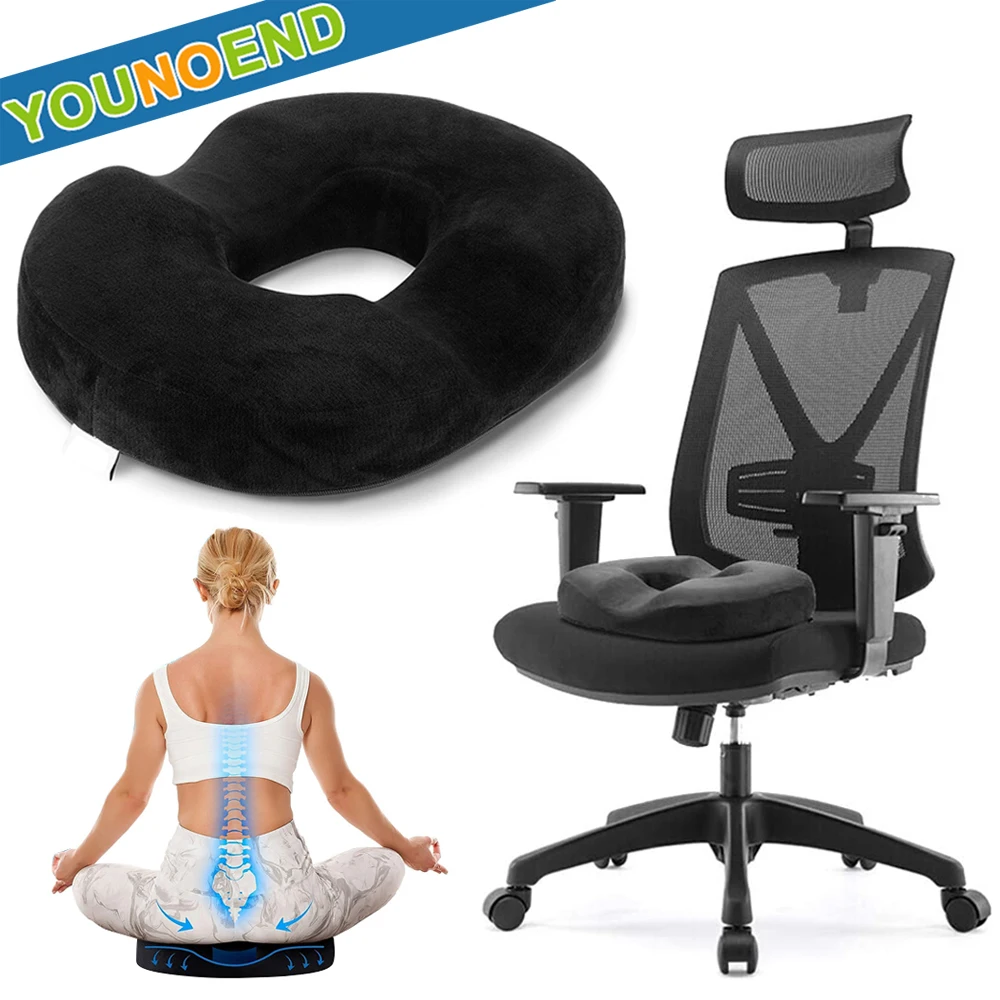
For relief while sitting, you might find a hemorrhoid cushion helpful, like this donut-shaped seat cushion that reduces pressure on sensitive areas.
😣 Symptoms of Hemorrhoids
Hemorrhoid symptoms can vary, but here are the most common signs:
- Bleeding during bowel movements, often noticed as bright red blood.
- Itching around the anal area.
- Pain or discomfort, especially with external hemorrhoids.
- Swelling around the anus, often forming small lumps.
For persistent pain, cold therapy can be beneficial. This cooling pad is designed specifically for hemorrhoid relief.

🏠 Managing Symptoms at Home
For mild symptoms, try these simple tips:
- Stay Hydrated – Drinking plenty of water helps prevent constipation, reducing the need to strain.
- Eat High-Fiber Foods – Fiber keeps your bowel movements soft and regular. Great sources include fruits, veggies, and whole grains.
- Take Warm Baths – A warm sitz bath can help reduce swelling and pain. Aim for 15-20 minutes after each bowel movement.
🤓 When to See a Doctor
While many hemorrhoids can be managed at home, severe cases may require professional help. Consult your doctor if you experience:
- Severe pain or bleeding
- Hemorrhoids that don’t improve with home treatment
- Unexplained changes in bowel habits
Conclusion
Hemorrhoids are a common yet treatable condition, and understanding their causes, types, and symptoms can help you manage them more effectively. Remember, lifestyle changes and over-the-counter products can make a big difference!
Stay tuned for our next article on how to prevent hemorrhoids naturally 🌿.


0 Comments:
Post a Comment