


How to Know If You Have Hemorrhoids 🤔 — Symptoms and Signs
Hemorrhoids are a common condition that affects many people, but they can sometimes be tricky to identify. Knowing the symptoms and signs can help you recognize them early and seek appropriate relief. Let’s dive into the main signs of hemorrhoids, so you know when it might be time to take action.
🔍 What Are Hemorrhoids?
Hemorrhoids, also known as piles, are swollen veins in the lower rectum and anus. They can cause discomfort, itching, and pain, especially during bowel movements. They’re typically caused by straining, constipation, or pressure on the pelvic region from sitting or standing for extended periods. There are two main types:
- Internal Hemorrhoids: Located inside the rectum, often painless but can cause bleeding.
- External Hemorrhoids: Appear under the skin around the anus and can be painful.
🔹 Common Symptoms of Hemorrhoids
Pain and Discomfort 💥
One of the earliest signs is a feeling of discomfort around the anus. External hemorrhoids, in particular, can cause sharp pain, especially during bowel movements or when sitting for long periods.
Itching and Irritation 🐜
Hemorrhoids can cause intense itching, which can be uncomfortable and embarrassing. The skin around the anus may become irritated, leading to persistent itchiness.
Bleeding 🩸
If you notice bright red blood on toilet paper or in the toilet bowl, it could be a sign of internal hemorrhoids. While the bleeding usually isn’t severe, it’s still best to seek medical advice if you notice it frequently.
Swelling and Lumps ⚠️
External hemorrhoids may cause noticeable lumps or swelling around the anus. If a lump becomes hardened, it may indicate a thrombosed (blood clot) hemorrhoid, which can be painful and might require treatment.
Mucus Discharge 💧
Sometimes, mucus discharge can occur with hemorrhoids, leading to further irritation around the anus.
🔹 When to Seek Medical Advice 📅
While many hemorrhoids can be managed at home, you should see a doctor if you experience:
- Persistent pain or discomfort
- Excessive bleeding
- Large, painful lumps
- Worsening symptoms despite home remedies
🔹 Tips for Relief and Comfort 🌿
For those managing mild hemorrhoid symptoms, some helpful tips include:
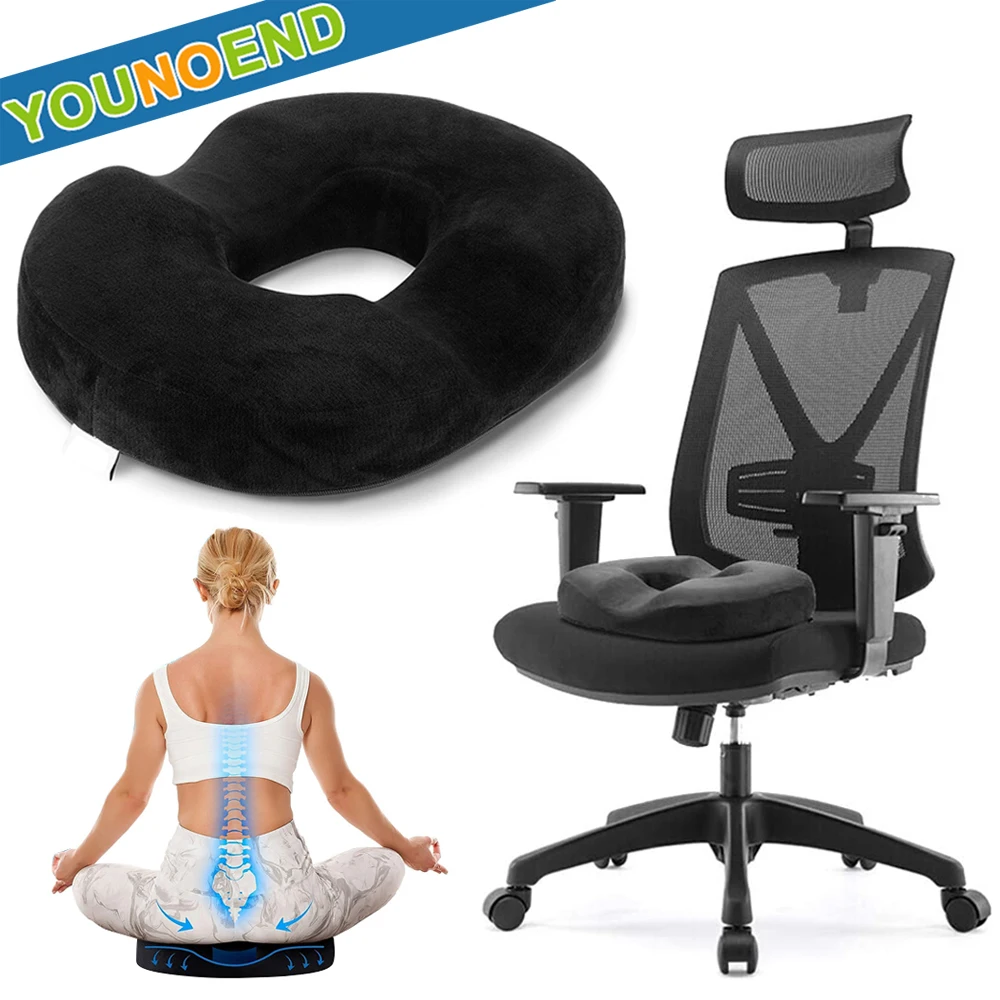
Using a Donut Pillow for Sitting Comfort: Reduces pressure on the affected area and offers pain relief.
👉 Check out this donut pillow designed specifically for hemorrhoid pain relief.
Cold Therapy Beads: Using a reusable perineal cooling pad can help reduce inflammation.
👉 Reusable Cooling Pad is an excellent option for on-the-go relief.

Anti-Hemorrhoid Cushions: An ergonomic memory foam cushion is ideal for prolonged sitting, helping with comfort and circulation.
👉 Try this Ergonomic Memory Foam Cushion for ultimate relief.
These products offer added comfort while managing hemorrhoid symptoms. Incorporating these supportive items can significantly enhance your quality of life while you’re recovering.
Final Thoughts 💭
Recognizing hemorrhoid symptoms early can make a world of difference. By taking steps to identify the signs and using products designed for relief, you’ll be well on your way to managing discomfort and enhancing your day-to-day well-being.
Stay tuned for more helpful articles on hemorrhoids and tips for managing your health comfortably and confidently! 😊


0 Comments:
Post a Comment